The Mission
The targeted killing of scientists represents a dangerous precedent that threatens the global scientific community and violates fundamental principles of international humanitarian law.
This petition calls on governments and international organizations to:
- Establish formal protocols protecting scientists during conflicts
- Recognize scientists as civilians under international law
- Condemn the practice of targeted assassinations of researchers
- Create accountability mechanisms for violations
Why This Matters
Scientists execute policies defined by their governments—they do not detonate bombs or make decisions about weapons deployment. Throughout history, even during the most devastating conflicts, scientists have been protected:
- Manhattan Project scientists were never targeted for assassination
- Nazi scientists were recruited through Operation Paperclip, not killed
- The principle of distinguishing combatants from civilians has been a cornerstone of humanitarian law
Recent targeted killings of scientists and their families mark a troubling shift in international norms. If this practice becomes normalized, the over 200,000 scientists worldwide who work on sensitive research will face unprecedented danger.
About the Founder
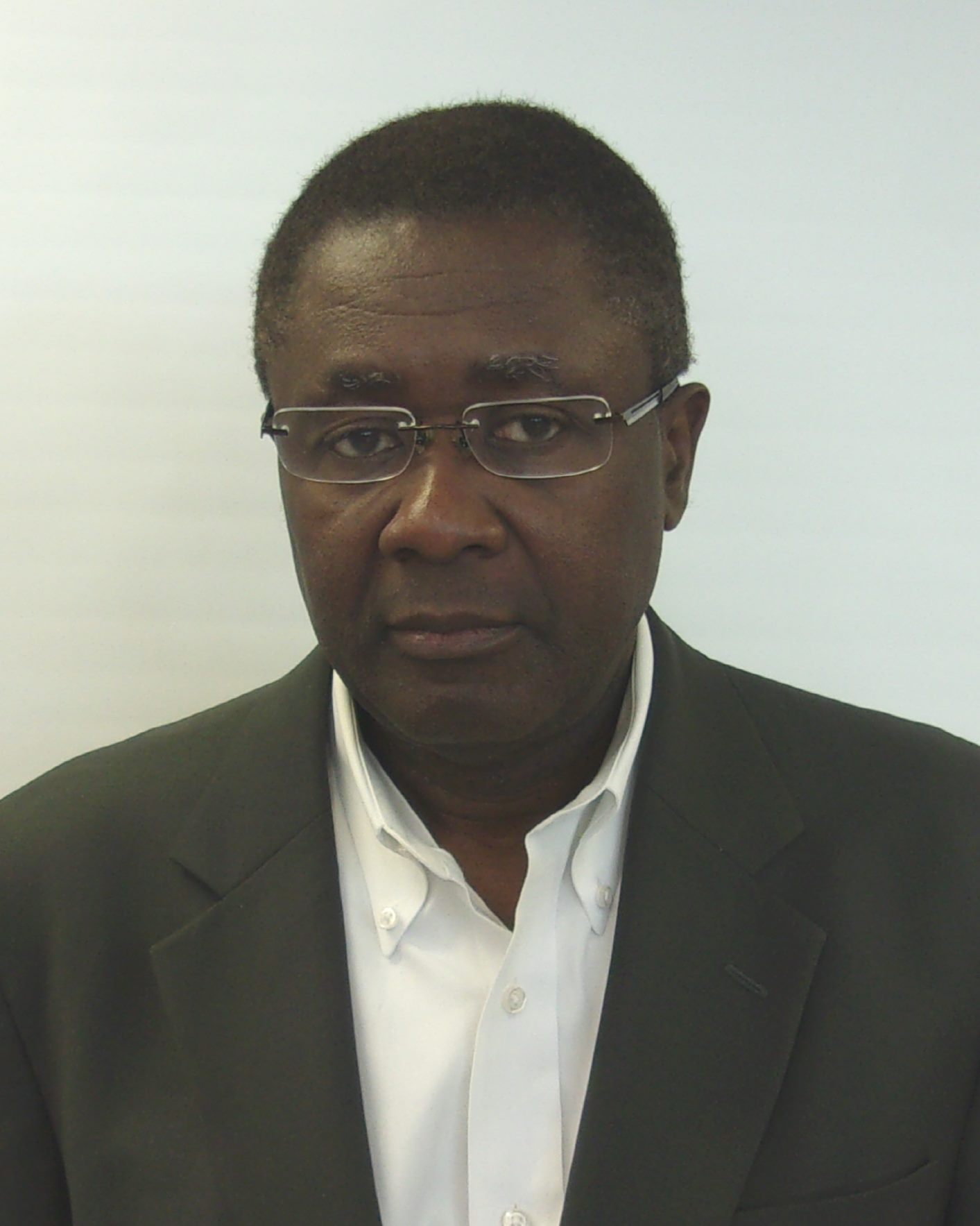
This initiative was founded by Dr. Luc Thomas Ikelle, former Robert R. Berg Professor in the Department of Geology and Geophysics at Texas A&M University.
Dr. Ikelle's credentials include:
- SEG Reginald Fessenden Award recipient (2023)
- Co-founder of Geoscientists Without Borders
- Former advisor to the US Department of Energy (2005-2012)
- Author of multiple scientific texts published by major academic presses
- Member of SEG, AGU, and APS
With decades of experience in the international scientific community, Dr. Ikelle has witnessed firsthand the increasing politicization and targeting of researchers worldwide.